
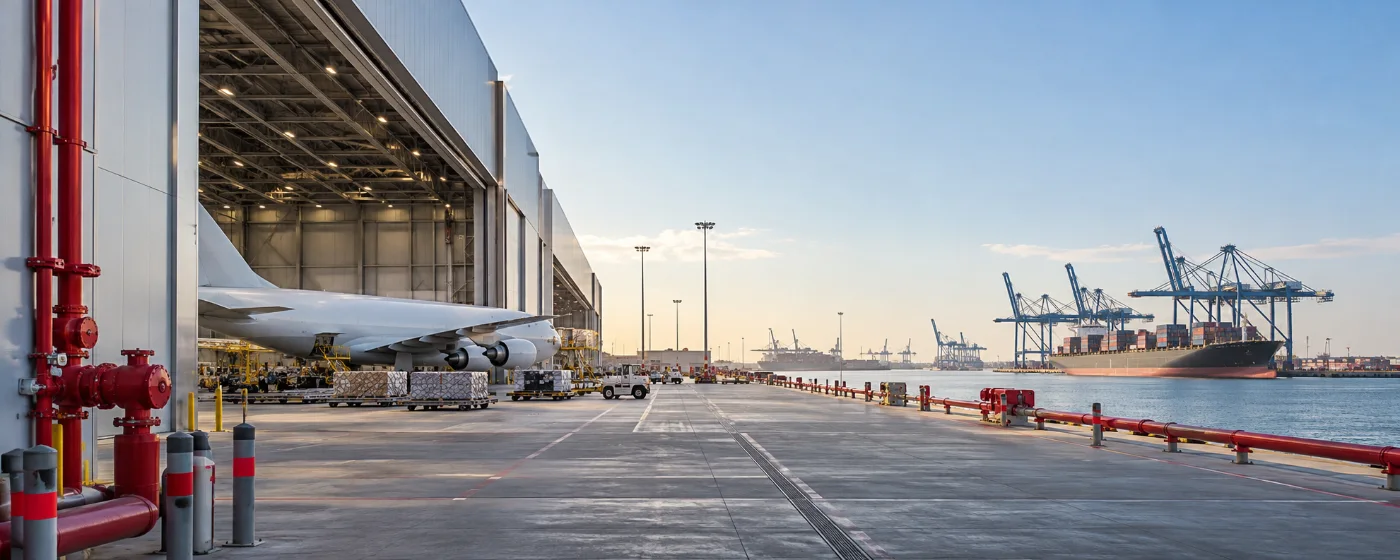
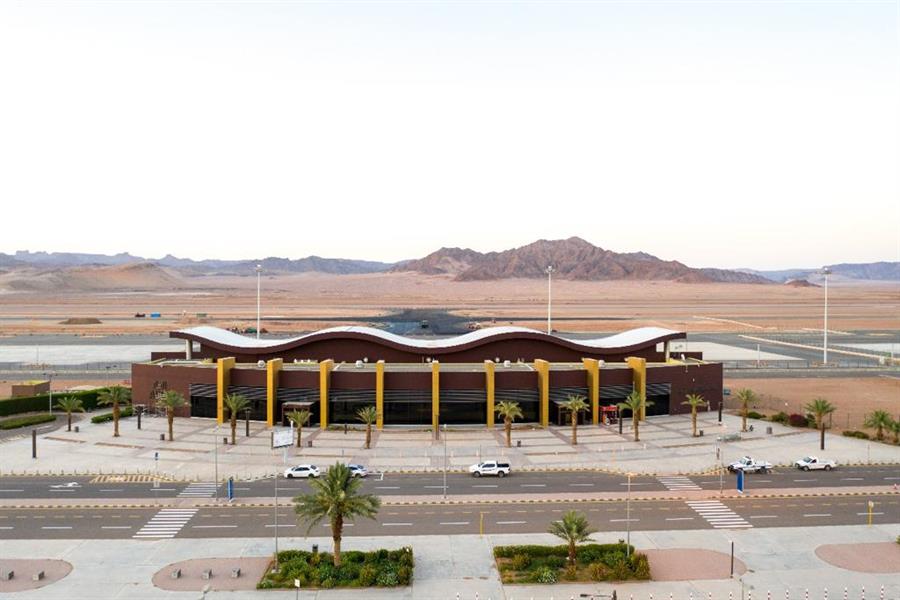
 Aviation & Maritime
SECTOR EXPERTISE
Aviation & Maritime Engineering Solutions
UDCT engineering for aviation and maritime environments: fire protection, connected systems, building services and phased project coordination.
PROJECT REFERENCES
EXPERIENCE IN Aviation & Maritime
Explore published project references for this sector and the engineering solutions delivered.
Aviation & Maritime
 Aviation & Maritime
KING ABDUL AZIZ INTERNATIONAL AIRPORT CARGO PROJECT
UDCT delivered clean agent & foam fire protection for KING ABDUL AZIZ INTERNATIONAL AIRPORT CARGO PROJECT in Saudi Arabia. The recorded scope includes FK-5-1-12 /…
View case study Aviation & Maritime
KAIA Jeddah
UDCT delivered clean agent fire suppression for KAIA Jeddah in Jeddah, Saudi Arabia. The recorded scope includes Clean Agent Fire Suppression.
View case study Aviation & Maritime
KING ABDUL AZIZ INTERNATIONAL AIRPORT TC Jeddah
UDCT delivered clean agent fire suppression for KING ABDUL AZIZ INTERNATIONAL AIRPORT TC Jeddah in Jeddah, Saudi Arabia. The recorded scope includes FM 200 Clean…
View case studyEngineering for Aviation & Maritime
Aviation and maritime environments connect passenger movement, logistics, equipment and supporting infrastructure. Terminals, cargo buildings, workshops and service areas need engineering that reflects their distinct use while coordinating with the wider transport operation.
UDCT supports fire protection, connected building systems and technical coordination within an agreed project scope. Early planning should distinguish public areas from controlled operational areas and identify access, environmental exposure and installation restrictions. The objective is a clear engineering package that can be reviewed, installed and tested within the site’s operating arrangements.
Project priorities
Interfaces across large facilities
Detection, alarm, public address, access systems and building controls may need to exchange signals across several packages. Define the intended interfaces and responsibility boundaries before installation. A coordinated schedule helps consultants, contractors and operators agree how the systems will be demonstrated and what records are required.
Exposure and service access
Port environments may involve salt exposure, while transport sites can include outdoor equipment, dust and demanding service routes. Proposed materials, enclosures and maintenance arrangements should be reviewed against the documented conditions. Equipment access needs to work within the facility layout and the permitted operating zones.
Phasing around transport activity
Work may need to follow operational windows, delivery restrictions or area handover sequences. Identify affected services, access routes and temporary arrangements with the operating team. Testing should be planned with the parties responsible for connected systems so that interfaces are reviewed without unplanned disruption.
Typical environments
Passenger and support buildings, cargo facilities, logistics spaces, workshops, port buildings and associated service infrastructure. Specialist airside, marine or process systems require a separately defined scope and project specific review.
From project brief to handover
UDCT brings fire protection, connected systems and building services into a coordinated project discussion. The starting point is the facility brief: intended use, operational constraints, system boundaries, existing equipment and the documentation required by the client and consultant. This helps define a practical scope before equipment selection or procurement.
During technical development, the team reviews drawings, equipment schedules, control interfaces and installation access against the agreed requirements. Supply and site activities are then coordinated with the wider project programme. Testing, commissioning and handover records should demonstrate how the installed systems relate to the approved design and provide the operating team with usable information.
For an existing facility, share available drawings, equipment details, maintenance history and any restrictions on shutdowns or access. For a new development, share the design brief, specifications and programme. Our team can then discuss the services relevant to the project, the information needed for a technical proposal and the responsibilities to be agreed with other parties.
Frequently asked questions
Can a project be divided into operational phases?
Phasing can be discussed around the operator’s programme, permitted work windows and system dependencies. The agreed sequence should identify testing and handover requirements for each area.
What helps define the system interfaces?
Share the design brief, interface schedule, facility layouts and available operational requirements. This allows the parties to identify the signals and responsibilities within the proposed scope.
Explore our engineering capabilities, review published sector project references, or contact UDCT to discuss your project scope. The final system selection and delivery responsibilities are defined by the approved project documents and agreed contract.
Engineering for airport, port and logistics buildings
Separate public, operational and support requirements
Transport developments often combine passenger spaces, cargo handling, offices, workshops and utility buildings. A clear enquiry identifies which areas are included and how they connect to the wider facility. UDCT can discuss fire protection, low current, audio visual and testing requirements for these buildings, with specialist aviation or marine systems separately identified in the project scope.
Coordinate communication and building system interfaces
Terminals and logistics facilities may involve several contractors supplying connected systems. A shared interface schedule helps establish which alarms, status signals and communication connections are part of each package. Equipment locations, cable routes and service access should be reviewed alongside operational layouts so that technical submissions reflect how the building will be used and maintained.
Structure installation and handover around area readiness
A phased development may release buildings or zones at different times. Define the drawings, equipment, inspections and interface tests needed for each handover stage. For existing airports or ports, include permitted work windows and access routes in the programme discussion. The published project references below help connect the sector overview to actual recorded UDCT work.
RELEVANT CAPABILITIES
CONNECTED EXPERTISE FOR YOUR PROJECT
Explore the systems and engineering services relevant to this operating environment.
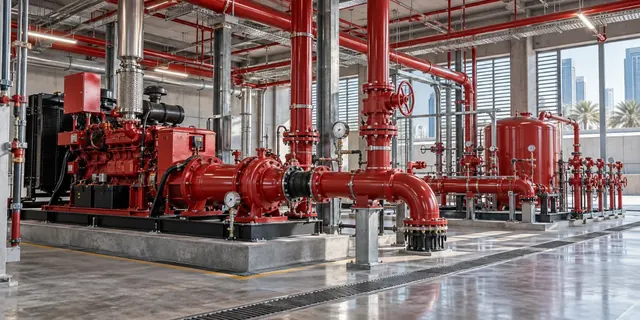
Fire & Life Safety
Fire protection, detection, suppression and fire pump systems engineered as one life safety capability.
Explore capability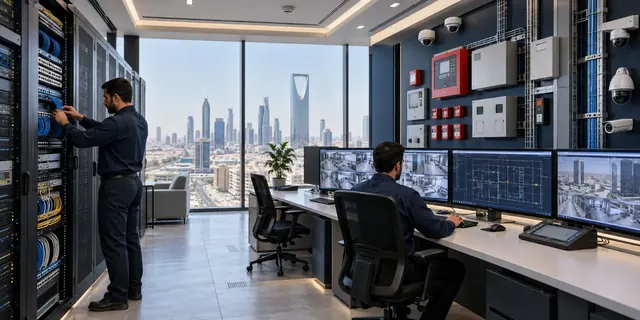
Low Current
Connected detection, communication, monitoring and low current infrastructure for modern facilities.
Explore capability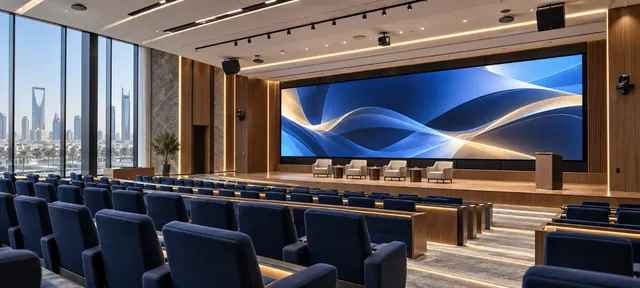
Audio Visual
Integrated audio visual environments for communication, collaboration, control and professional user experiences.
Explore capability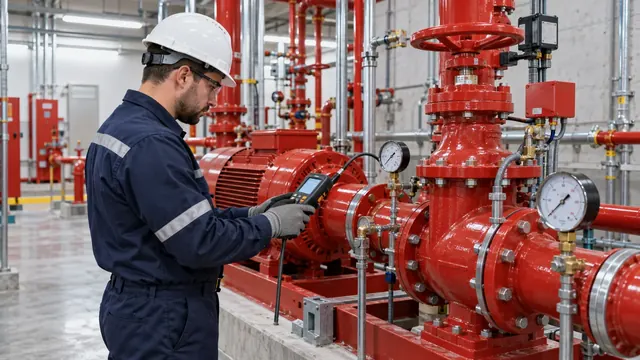
Testing & Maintenance
Testing, commissioning, maintenance and lifecycle technical support focused on dependable system readiness.
Explore capabilitySTART A PROJECT
LET’S ENGINEER WHAT COMES NEXT
Discuss your fire protection, connected systems or data center project with UDCT’s engineering team.