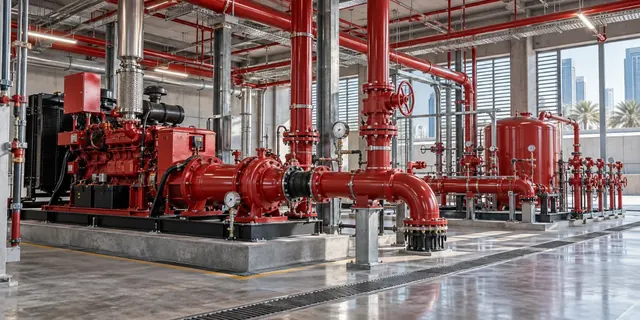
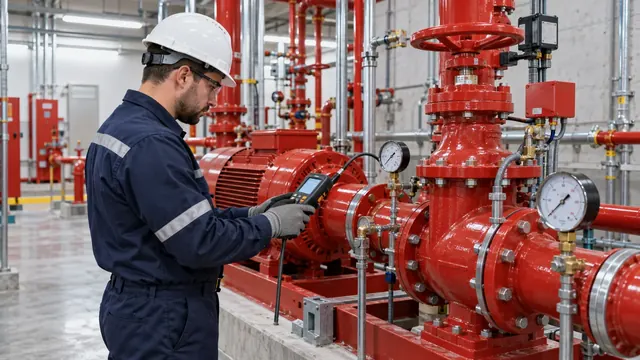
UDCT delivered water based fire protection for Jazan Refinery and Terminal Project in Jazan, Saudi Arabia. The recorded scope includes Automatic Sprinkler System and Hydrant…
Utility and energy environments depend on equipment, control systems and supporting infrastructure working together. Electrical assets, pumping installations, support buildings and process areas require distinct engineering decisions rather than one repeated system arrangement across an entire site.
UDCT helps connect fire protection, detection, pumping, controls and building services within the defined project scope. Early coordination should establish the site boundaries, equipment responsibilities, environmental conditions and operating constraints. The engineering discussion must also account for how new systems will connect to existing assets and how those interfaces will be demonstrated during testing.
Project priorities
Clear boundaries between engineering packages
Power equipment, process packages and building services are often supplied by different parties. An interface schedule should identify alarm contacts, power sources, control responses and the party responsible for each connection. This makes it easier to review drawings, identify missing information and agree a coordinated test sequence.
Equipment selection for the actual location
Outdoor exposure, temperature, dust, corrosive conditions and access constraints can influence equipment selection and maintenance arrangements. Project teams should identify these conditions in the design brief and check the proposed equipment documentation against them. System choices need to follow the approved risk assessment and project specification.
Testing with the operating team
Energy and utility sites may have controlled access, permit requirements and tightly managed isolation windows. Testing plans should distinguish individual equipment checks from integrated demonstrations. Agree witness points, operational dependencies and the records needed before a system or area is returned to normal service.
Typical environments
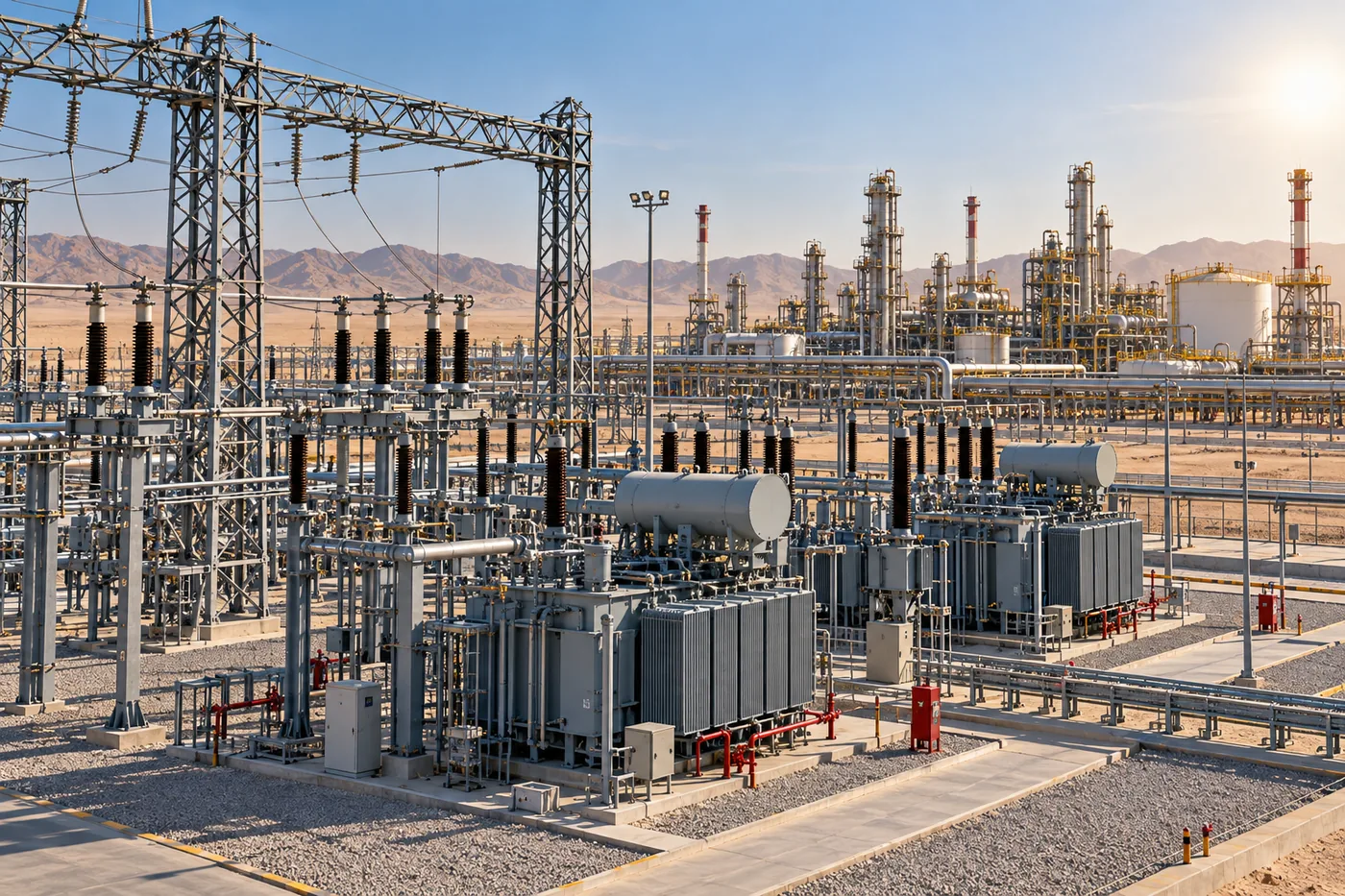
Electrical utility buildings, substations and their support facilities, pumping stations, energy infrastructure and defined oil and gas support environments. Specialist process duties and equipment boundaries should be confirmed for each enquiry.
From project brief to handover
UDCT brings fire protection, connected systems and building services into a coordinated project discussion. The starting point is the facility brief: intended use, operational constraints, system boundaries, existing equipment and the documentation required by the client and consultant. This helps define a practical scope before equipment selection or procurement.
During technical development, the team reviews drawings, equipment schedules, control interfaces and installation access against the agreed requirements. Supply and site activities are then coordinated with the wider project programme. Testing, commissioning and handover records should demonstrate how the installed systems relate to the approved design and provide the operating team with usable information.
For an existing facility, share available drawings, equipment details, maintenance history and any restrictions on shutdowns or access. For a new development, share the design brief, specifications and programme. Our team can then discuss the services relevant to the project, the information needed for a technical proposal and the responsibilities to be agreed with other parties.
Frequently asked questions
Does one protection arrangement suit every utility asset?
No. Equipment, operating conditions and the approved project design basis determine the appropriate system. Share the specifications and asset information for a focused technical discussion.
How are existing control interfaces reviewed?
Provide available interface schedules, control diagrams and equipment information. The project team can then define the required signals, responsibilities and testing arrangements.
Engineering coordination for power, energy and utility assets
Describe the asset and the package boundaries
An enquiry for electrical or oil and gas utility infrastructure should distinguish the asset being served from the supporting buildings and systems. A substation support building, pumping installation and process utility area need different project information. UDCT can discuss the fire protection, automation, MEP and testing packages within the proposed scope, with the client and consultant identifying any specialist process responsibilities.
Turn interface requirements into reviewable information
Useful interface information includes equipment reference numbers, signal lists, power requirements, installation locations and the parties responsible for connections. For work involving existing assets, current drawings and operating restrictions are particularly valuable. This creates a common basis for reviewing technical submissions and identifying assumptions before procurement, rather than leaving different suppliers to interpret the same boundary independently.
Plan documentation around the operator’s workflow
Site permits, witness arrangements and document formats can influence how a utility package is delivered. Include these requirements in the enquiry alongside the technical specification. A defined handover package can bring together approved drawings, equipment data, test records and maintenance instructions for the agreed systems, supporting the operator’s own asset records and future service planning.
RELEVANT CAPABILITIES
CONNECTED EXPERTISE FOR YOUR PROJECT
Explore the systems and engineering services relevant to this operating environment.

 Electrical & Oil / Gas Utilities